More UK homeowners are now looking at heat pumps as a new way to heat your home. But while the idea sounds simple, the reality is often misunderstood. A heat pump system is not just a product you install—it is a complete system that must be designed around your home.
If done properly, heat pumps can deliver steady warmth, lower energy bills, and reliable performance for many years. If done poorly, they can fall short of expectations.
This guide explains how heat pumps work, what makes up a full heat pump system, and what you should expect before making a decision.
What Are Heat Pumps and How Does a Heat Pump System Work?
Before looking at costs or benefits, it helps to understand the basics. Heat pumps work differently from traditional heating systems, and that difference is key to their performance.
How Heat Pumps Work in Simple Terms
Here’s the key point: a heat pump works by moving heat, not creating it.
An air source heat pump takes heat from the air outside—even when it feels cold—and upgrades it so it can be used inside your home. This heat is then used to provide both heating and hot water.
In simple terms:
- Heat is taken from the outside air
- It is compressed to increase temperature
- It is delivered into your home
This process uses less energy than a gas boiler, which burns fuel to create heat. Because of this, heat pumps are considered highly energy efficient.
The result is a system that works steadily in the background, keeping your home warm without sudden spikes in temperature.
What Makes Up a Heat Pump System
A heat pump system is more than just an outdoor unit. It includes:
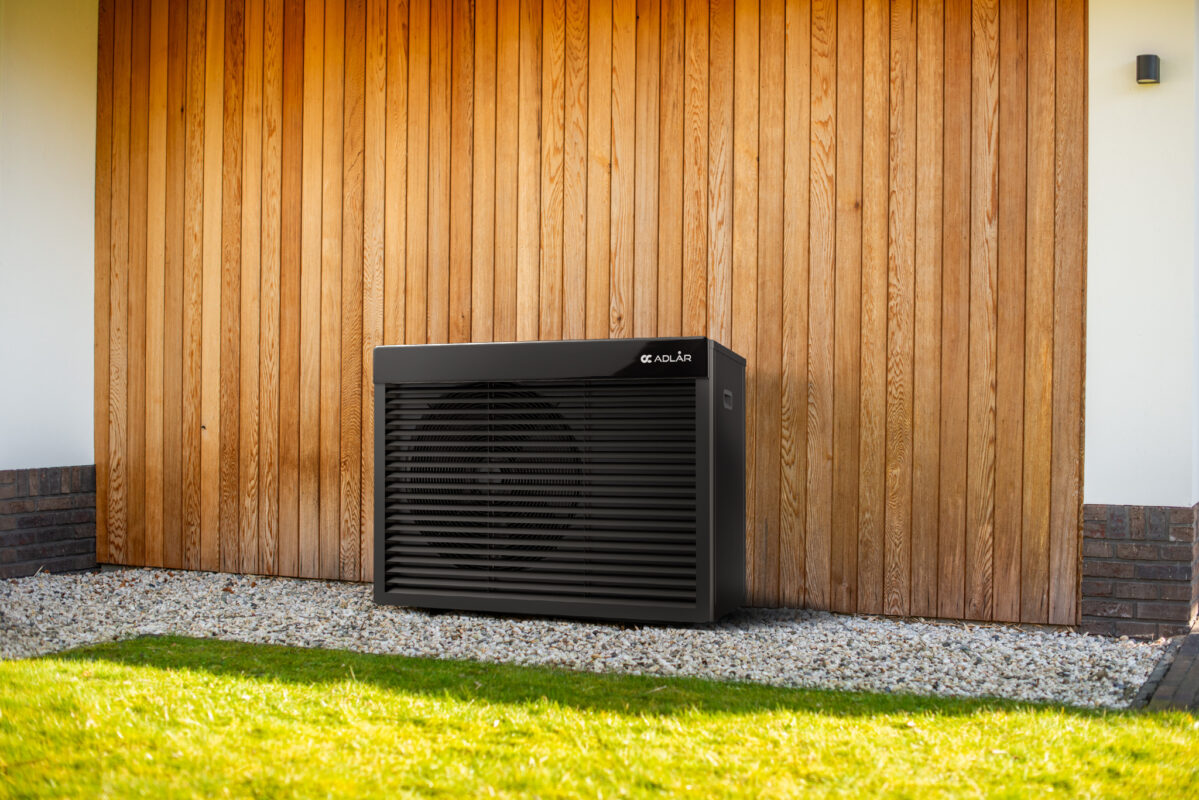
- The outdoor heat pump
- The indoor heating system (radiators or underfloor)
- Controls that manage how the system runs
All these parts must work together. This is why design matters.
When heat pumps are installed correctly, the system delivers stable comfort and predictable running costs. If the system is not designed properly, performance can suffer.
Why More Homeowners Are Choosing Heat Pumps
Heat pumps are becoming more common across the UK. This is not just because of environmental goals, but because they offer practical benefits for everyday living.
Energy Efficiency and Lower Running Costs
Heat pumps are known for being energy efficient. Because they move heat instead of generating it, they can deliver more heat energy than the electricity they use.
This can lead to:
- Lower energy bills
- Reduced running costs
- More stable long-term performance
According to Energy Saving Trust, heat pumps can produce several units of heat for each unit of electricity used.
Sites like the Cool Down also highlight how heat pumps help reduce energy use in homes.
However, these savings depend on the design of the heat pump system. A well-designed system will perform efficiently. A poorly designed one may not deliver the expected results.
Moving Away from Gas Boilers
Many homeowners are also moving away from the traditional gas boiler.
Gas boilers rely on burning fuel, which limits efficiency and increases emissions. Heat pumps offer a different approach, using electricity and renewable heat sources.
Organisations like Net Zero Nation show how switching to heat pumps can help reduce a home’s carbon impact.
This shift is not just about sustainability. It is about choosing a system that is better suited to how homes need to be heated today and in the future.

What to Expect When Installing a Heat Pump
One of the biggest concerns homeowners have is what installation involves. The process is different from replacing a boiler, but it is not as complex as it may seem.
What Happens When Installing a Heat Pump
Installing a heat pump starts with understanding your home.
This includes:
- A survey to measure heat loss
- Checking radiators and pipework
- Designing a system that matches your needs
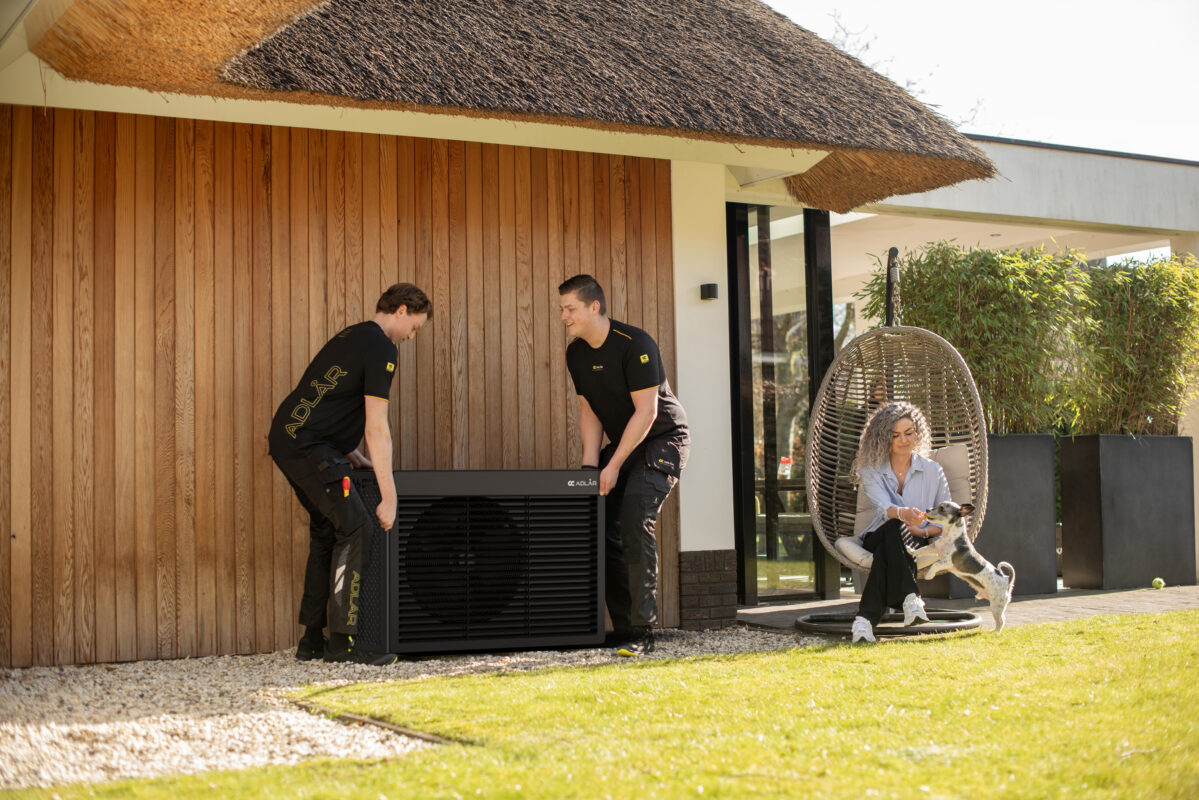
Once the design is complete, the system is installed. This includes fitting the outdoor unit and connecting it to your internal heating system.
The key difference is that this process focuses on the whole heat pump system, not just the unit.
This ensures that everything works together properly from the start.
How Long a Heat Pump System Lasts
A well-designed heat pump system can last 20 years or more.
This long lifespan means:
- More stable performance over time
- Fewer replacements
- Better long-term value
However, this depends on how the system is designed and installed.
When systems are properly planned, they deliver consistent results year after year. When they are not, performance can drop.
This is why investing in design at the beginning is so important.
Heat Pump Costs and Running Costs Explained
Cost is one of the first questions homeowners ask. It is important to look at both upfront cost and long-term value.
Upfront Heat Pump Costs
Heat pump costs can vary depending on:
- The size of your home
- The design of the system
- Any upgrades needed
In some homes, improvements such as larger radiators may be required. These changes help the system run efficiently.
While upfront costs can be higher than replacing a gas boiler, they reflect the installation of a full heat pump system, not just a single unit.
Financial guidance suggests looking at long-term value rather than just initial cost.
Running Costs and Energy Bills
Running costs depend on how well the system performs.
A properly designed system can:
- Lower energy bills
- Reduce running costs
- Improve overall efficiency
However, if the system is not designed correctly, costs can increase.
This is why focusing on the full heat pump system is more important than choosing a specific product.
Common Questions About Heat Pump Systems
Many homeowners have similar questions when considering heat pumps.
Can Heat Pumps Heat Your Home in Winter?
Yes—heat pumps can effectively heat your home even in cold weather.
They are designed to extract heat from the air at low temperatures and continue working efficiently.
The key factor is system design. When the system is set up correctly, it delivers consistent warmth throughout the home.
Are Heat Pumps Suitable for All Homes?
Heat pumps can work in most homes, including older properties.
The important factor is how the system is designed. This includes:
- Matching the system to the home
- Ensuring enough heat can be delivered
- Optimising performance
With the right design, heat pumps can be suitable for a wide range of homes.
Why System Design Matters for Heat Pumps
One of the biggest misunderstandings is that choosing a good product is enough.
In reality, the system matters more than the unit.
A poorly designed system can lead to:
- Higher running costs
- Uneven heating
- Lower efficiency
Heat pumps do not fail homes—poor design does .
When a heat pump system is designed properly, it delivers reliable comfort, predictable costs, and long-term performance.
Choose the Right Heat Pump System with Adlår Castra
If you are considering heat pumps, the most important step is understanding your home.
At Adlår Castra, the focus is on designing complete heat pump systems that work properly—not just installing equipment.
This approach ensures:
- Consistent comfort
- Lower energy use
- Reliable long-term performance
If you want clarity and confidence in your decision, the next step is a professional assessment.