The combination of air source heat pumps and solar panels offers one of the most efficient and sustainable home heating solutions available today. By using free, renewable solar energy to power a heat pump, you can significantly reduce your home’s electricity bills, improve energy independence, and lower your carbon footprint.
At Adlår Castra UK, we specialise in dual heat pump systems that are designed to integrate seamlessly with solar photovoltaic (PV) panels for maximum efficiency and cost savings.
This guide will explore how air source heat pumps work with solar energy, the associated financial and environmental benefits, and why integrating both technologies represents a smart investment for homeowners.
Can You Power an Air Source Heat Pump with Solar Panels?
How Solar PV Works with Heat Pumps
Solar photovoltaic (PV) panels generate electricity from sunlight, which can then be used to power household appliances, including air source heat pumps.
Meanwhile, a heat pump operates by extracting ambient heat from the air, amplifying it using a compressor, and transferring it into the home for heating and hot water.
When powered by solar energy, this system becomes even more efficient as it runs on free, self-generated electricity, rather than relying entirely on the grid. By integrating solar PV with an air source heat pump, homeowners can maximise renewable energy usage, significantly lowering heating costs and increasing energy independence.
Seasonal Considerations: Winter Efficiency and Backup Energy
A common concern about solar-powered heat pumps is their performance in winter, but solar panels and heat pumps are designed to function effectively throughout the colder months.
Solar panels can generate electricity in almost any type of weather, including freezing temperatures, rain, and even snow. Similarly, modern heat pumps are still three times more efficient than boilers at temperatures below 0°C, making them a reliable and cost-effective option year-round.
That said, heat pump efficiency can decrease slightly as temperatures fall, and solar panel output is lower in winter due to shorter daylight hours, the sun sitting lower in the sky, and increased cloud cover.
However, systems are set up to account for seasonal variations. On sunny winter days, solar panels can generate electricity to help power your air source heat pump, reducing reliance on grid electricity. During cloudy weather or at night, the system seamlessly switches to drawing power from the grid or a battery storage unit if available.
Battery Storage Benefits: Storing Solar Energy for Heat Pumps
To maximise efficiency, many homeowners install solar battery storage alongside PV panels. A battery allows you to store excess solar electricity generated during the day, which can then be used to power the air source heat pump (or other appliances) in the evening or on cloudy days.
A major benefit of this is increased self-sufficiency, as you can use more of your own solar power whenever you choose, rather than having to draw from the grid whenever sunlight is limited. You can also enjoy peace of mind, knowing that you have backup power for your heat pump to ensure consistent heating.
Additionally, by reducing the need to buy energy at peak rates, a solar battery can lower your overall electricity bills and provide long-term savings.
When combined with Adlår’s smart heat pump controls, battery storage can be optimised for real-time energy balancing, ensuring the system runs at peak efficiency at all times.
Financial Benefits of Pairing Solar Power and Air Source Heat Pumps
Maximising Energy Savings
One of the most significant advantages of combining an air source heat pump with solar panels is the dramatic reduction in electricity costs you can achieve.
Since a heat pump is already four times more efficient than a gas boiler on average, pairing it with free solar energy further reduces running costs. Even when grid electricity is needed, the heat pump’s high efficiency leads to lower overall energy usage, maximising savings.
Additionally, excess solar energy can either be stored in a battery for later use or exported back to the grid for extra savings through the government’s Smart Export Guarantee initiative.
Faster Payback: How the Adlår System Saves 40% More than Competitors
Combining solar panels with an air source heat pump shortens the payback period of both systems. While a heat pump alone can take up to 14 years to pay off through energy savings, adding solar panels can reduce this to 7 – 8 years.
Adlår’s market-leading dual heat pump system is specifically designed for solar integration and can cut your energy bills by up to 40%, offering the fastest payback on the market.
Government Grants and Incentives
There are several UK government schemes available to make renewable energy solutions more affordable for homeowners:
- Boiler Upgrade Scheme (BUS) – Offers £7,500 towards an air source heat pump.
- Smart Export Guarantee (SEG) – Allows homeowners to sell excess solar electricity back to the grid, reducing energy costs further.
- Zero VAT on Solar and Heat Pumps – The UK government has removed VAT on both technologies until March 2027, making installation more affordable.
By taking advantage of these grants, you can significantly reduce the upfront costs of installing a solar-powered heat pump system.
The Environmental Impact of Solar-Powered Heat Pumps
Lower Carbon Footprint with On-Site Renewable Energy
Switching to a solar-powered heat pump dramatically reduces your carbon footprint. Instead of burning harmful fossil fuels, a heat pump powered by solar panels generates and consumes clean, renewable energy.
Higher Efficiency Than Gas Boilers
Air source heat pumps are significantly more efficient than gas boilers. Traditional boilers can lose up to 40% of their energy through inefficiencies, whereas a heat pump can provide up to four times the amount of heat per unit of electricity consumed.
This means heat pumps require far less energy to achieve the same level of heating. Powering it through solar energy makes the system even more sustainable, further reducing a home’s overall carbon emissions. As a result, a solar-powered heat pump is one of the most eco-friendly home heating solutions available today.
Installation & Compatibility: How to Set Up Both Systems
Property Requirements for Heat Pump and Solar Integration
When considering a solar-powered heat pump, homeowners should evaluate factors like:
- Roof space and orientation – For maximum efficiency, solar panels require a south-facing or well-positioned roof.
- Outdoor space for the heat pump – A small outdoor unit is required to extract heat from the air.
- Energy demand – Larger homes may benefit from battery storage to ensure consistent heating.
Our experts can advise on the suitability of your property for our dual heat pump and any changes that may be required during your free initial site survey.
Installation Process: Minimal Disruption with Adlår
Adlår’s dual heat pump system can be installed in just one to two days, with minimal disruption. We are MCS accredited and one of the largest heat pump installers in Europe, providing homeowners with confidence in the quality and reliability of our systems.
Our heat pumps are also designed for solar integration, so if solar panels are installed separately, the entire system can be integrated seamlessly using smart energy controls.
Smart Controls for Optimisation
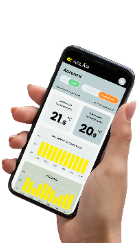
Modern Wi-Fi-enabled air source heat pumps offer smart scheduling, remote access, and energy tracking. Adlår’s smart-controlled heat pumps ensure that solar power is prioritised whenever available, optimising grid and battery usage automatically.
Frequently Asked Questions (FAQs) About Air Source Heat Pumps and Solar Panels
Q: Can I power an air source heat pump entirely with solar panels?
A: Yes, an air source heat pump can be powered by solar panels, but it depends on how much electricity your solar system generates. During sunny periods, solar panels can provide most or all of the electricity needed to run the heat pump. However, during cloudy days or at night, your system may need to draw power from the grid or a battery storage unit if installed.
Q: How many solar panels do I need to run a heat pump?
A: The number of solar panels required depends on factors such as the size of your heat pump, its energy consumption, your household’s overall electricity usage, and the efficiency of your solar panels. On average, a 4kW solar panel system (approximately 10 panels) can provide enough electricity to power a standard air source heat pump for a well-insulated home. Professional installers can help you determine your exact needs.
Q: Will my heat pump still work in winter if it’s powered by solar?
A: Yes, your heat pump will still function in winter, but solar panels generate less electricity during shorter daylight hours. Many homeowners add battery storage to store excess solar energy generated in summer and use it when needed. If additional energy is required, the system will draw power from the grid.
Q: Is battery storage necessary when combining solar panels with a heat pump?
A: Battery storage is not essential, but it greatly improves efficiency. Without a battery, excess solar energy is sent back to the grid rather than stored for later use. A solar battery allows you to store unused energy, meaning your heat pump can run on solar power even when the sun isn’t shining.
Q: How much can I save by combining solar panels with a heat pump?
A: By using free solar energy to power your heat pump, you can significantly reduce your electricity bills. Savings from your solar-powered heat pump will depend on several factors, including the size of your solar PV system, your household’s energy usage, and whether you use a battery storage system. Combining a heat pump with solar panels can reduce heating costs by up to 70%, making it far more cost-effective than traditional gas or electric heating.
Q: How long does it take to install a heat pump and solar panels?
A: Adlår’s heat pump installation typically takes 1 – 2 days, while a solar panel system can be installed in 1 – 3 days depending on system size. Our in-house installation team ensures a quick and seamless integration of both systems with minimal disruption.
Q: Are heat pumps better than gas boilers?
A: Yes, heat pumps are four times more efficient than gas boilers and have lower running costs. Traditional boilers can waste up to 40% of the energy they consume, whereas heat pumps convert every unit of electricity into up to four units of heat, making them a much more efficient and sustainable option.
Ready to Make the Switch to a Sustainable Heating System?
Integrating an air source heat pump with solar panels is a highly effective way to lower energy bills, increase sustainability, and enhance energy independence.
With advanced heat pump technology, smart energy management, and government incentives available, there has never been a better time to make the switch.
At Adlår, we specialise in installing high-efficiency dual heat pump systems that work seamlessly with solar energy systems.
Our team provides expert guidance, ensuring you maximise savings and achieve a fully renewable home heating solution.
Contact us today to find out how an air source heat pump can transform your home.