Rising energy costs and growing environmental concerns have pushed energy efficiency to the top of the agenda for UK homeowners. Many households are now looking for ways to reduce energy bills, improve comfort, and future-proof their homes against rising energy prices. One of the most effective ways to achieve this is through modern heat pumps.
However, improving efficiency is not simply about replacing a system. It requires a clear understanding of how your home uses energy, where it is lost, and how different elements work together. A well-designed approach can significantly reduce energy consumption, while a poorly considered upgrade can lead to disappointing results.
In this guide, we explain how heat pumps contribute to energy efficiency, what supporting improvements are needed, and how to make your home more efficient over the long term.
What Is Energy Efficiency and Why Does It Matter?
At its simplest, energy efficiency means using less energy to achieve the same outcome. In a home, this means maintaining warmth and comfort while reducing wasted energy.
What Energy Efficiency Means for UK Homes
For UK households, improving energy efficiency has a direct impact on both comfort and cost. A more efficient home requires less energy to maintain stable indoor temperatures, which leads to lower energy bills and reduced reliance on heating systems.
Many properties—particularly older ones—lose heat through poorly insulated roofs, walls, and floors. Without proper energy efficiency measures, heating systems must work harder, increasing overall energy consumption.
Organisations such as Energy Saving Trust highlight that improving insulation, upgrading heating systems, and addressing heat loss are the most effective ways to improve home energy performance.
In practical terms, this means creating a home that retains heat more effectively, reduces waste, and delivers consistent comfort throughout the year.
The Link Between Energy Efficiency and Fuel Poverty
The importance of efficiency becomes even clearer when considering fuel poverty. As energy prices continue to fluctuate, households with inefficient homes are often hit hardest.
Poor insulation and outdated systems can lead to significantly higher energy bills, making it difficult for some households to maintain comfortable living conditions. Resources like Ask Bill provide support and advice for those struggling with rising costs.
Improving energy efficiency reduces the amount of energy required to heat a home, which helps protect households from price increases. It also plays a key role in reducing reliance on high-cost fuels and moving towards more
sustainable, carbon heating alternatives.
How Heat Pumps Improve Energy Efficiency
Heat pumps are widely recognised as one of the most effective technologies for improving energy performance in residential properties.
How a Heat Pump Works in Simple Terms
Understanding how a heat pump works is essential when evaluating its efficiency.
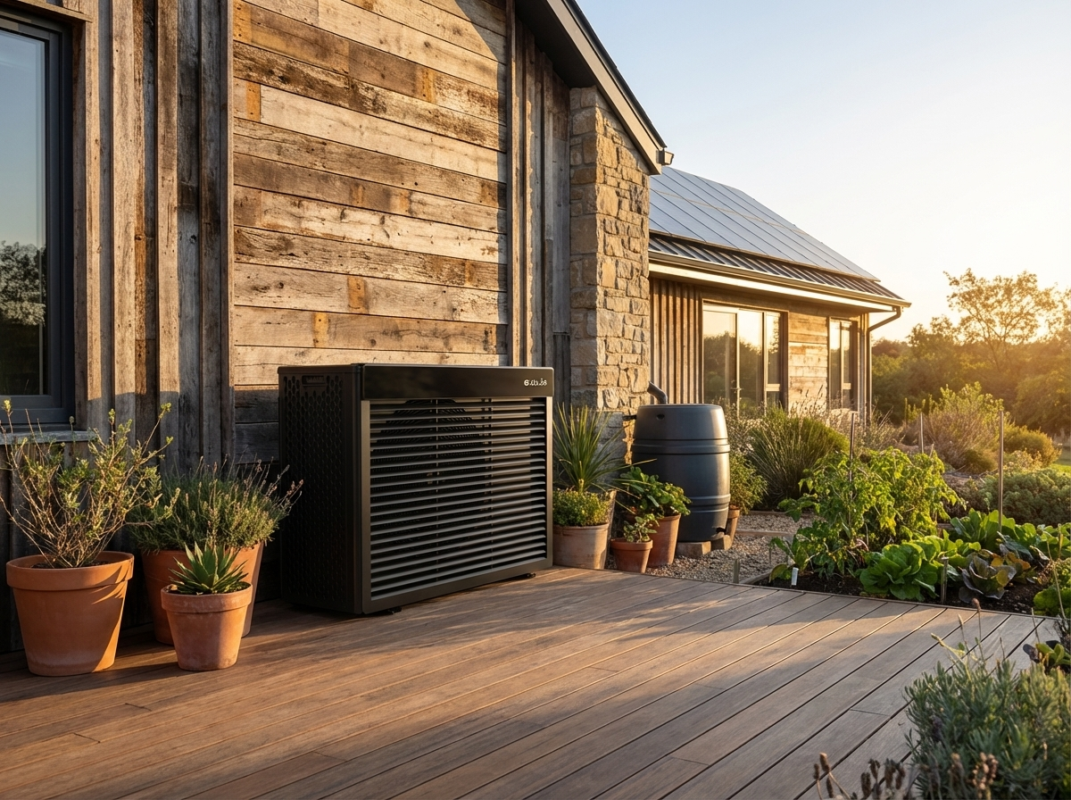
An air source heat pump extracts heat from the outside air and transfers it into your home. Unlike a gas boiler, which generates heat by burning fuel, a heat pump moves existing heat, requiring significantly less energy.
Even in colder conditions, there is usable heat in the air. The system captures this heat, compresses it to increase temperature, and delivers it into your heating system for both space heating and hot water.
This process is inherently energy saving because it produces more heat energy than the electricity it consumes. As a result, heat pumps are considered a leading solution for improving energy efficiency in modern homes.
Why Heat Pumps Are More Energy Efficient Than Boilers
Traditional boilers typically operate at around 85–90% efficiency. In contrast, heat pumps can achieve efficiencies of 300–400% under the right conditions.
This means that for every unit of electricity used, multiple units of heat are delivered. This significantly improves overall energy performance and reduces total energy consumption.
Energy providers highlight heat pumps as a key technology in reducing emissions and supporting low-carbon energy systems.
However, this level of performance depends heavily on system design. Without proper sizing, controls, and setup, efficiency can drop, which reinforces the importance of a design-led approach.
Key Energy Efficiency Measures to Consider
To achieve the best results, heat pumps should be part of a broader strategy focused on improving the whole home.
Insulation and Fabric Improvements
Insulation is one of the most impactful energy efficiency measures available. By reducing heat loss, it allows heating systems to operate more effectively and use less energy.
Key areas to address include:
- Loft insulation
- Cavity wall insulation
- Draught-proofing around doors and windows
Local authorities often provide guidance and support for insulation improvements, particularly for older housing stock.
Improving insulation not only reduces heat loss but also supports the performance of heat pumps, allowing them to operate at lower temperatures and higher efficiency.
Improving the Energy Efficiency of Your Whole System
Improving the energy efficiency of a home goes beyond insulation. The heating system itself must also be optimised.
This includes:
- Correct radiator sizing
- Appropriate flow temperatures
- Effective control strategies
Manufacturers such as Sunamp highlight the importance of system integration when improving overall efficiency.
When all elements work together, the result is a system that delivers consistent comfort while minimising energy consumption.
Installing a Heat Pump: What You Need to Know
A successful outcome depends on how the system is planned, designed, and installed.
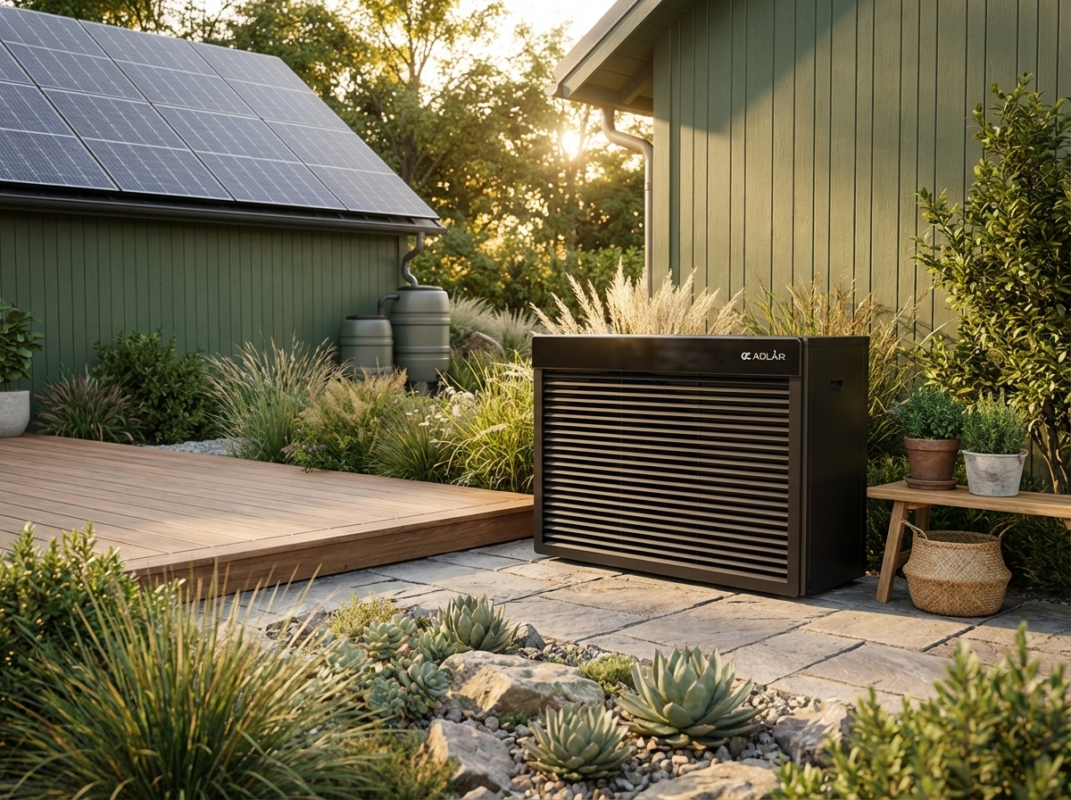
What Happens When Installing a Heat Pump
The process of installing a heat pump begins with a detailed assessment of the property. This includes:
- A room-by-room heat loss calculation
- Evaluation of existing radiators and pipework
- Identification of any insulation improvements
This information is used to design a system that meets the home’s specific heating requirements.
Without this step, systems may be incorrectly sized or configured, leading to reduced performance and higher costs.
How Long-Term Performance Impacts Energy Efficiency
A well-designed heat pump system is built to perform over 20 years or more. Over this period, the benefits of improved energy efficiency become increasingly significant.
Long-term performance depends on:
- Correct installation
- Proper commissioning
- Ongoing system stability
When these factors are addressed, homeowners benefit from lower energy bills, reduced energy consumption, and consistent comfort.
Costs, Savings, and Financial Support
Understanding the financial side of efficiency improvements is essential for making informed decisions.
Energy Bills, Running Costs, and Savings
Improving energy efficiency directly impacts energy bills by reducing the amount of energy required to heat a home.
Heat pumps contribute to this by:
- Delivering more heat per unit of energy
- Reducing reliance on fossil fuels
- Providing stable and predictable running costs
However, actual savings depend on how well the system is designed and how efficiently the home retains heat.
Grants, Schemes, and Financial Support
Several schemes are available to support homeowners, including:
These initiatives aim to make homes more energy efficient and reduce the financial burden of upgrades.
Additional guidance can be found through organisations which focus on sustainable energy solutions and support.
Common Myths About Energy Efficiency and Heat Pumps
Misconceptions often prevent homeowners from making confident decisions.
“Heat Pumps Don’t Work in Older Homes”
This belief is common but incorrect. Heat pumps can work effectively in older properties when systems are properly designed and matched to the home.
The key factor is not the age of the property, but how well the system is engineered.
“Energy Efficiency Means Sacrificing Comfort”
In reality, improving efficiency often improves comfort. A well-designed system provides:
- Stable indoor temperatures
- Even heat distribution
- Reduced temperature fluctuations
Efficiency and comfort are closely linked when systems are designed correctly.
How to Make Your Home More Energy Efficient
Improving efficiency requires a structured, whole-home approach.
Start with a Whole-Home Approach
To improve home energy performance, consider:
- Insulation upgrades
- Heating system improvements
- Changes in energy usage habits
Each of these contributes to reducing overall energy consumption.
Choosing the Right Heating System
Selecting the right system is essential for making homes more energy efficient.
Heat pumps are particularly effective because they:
- Operate efficiently at lower temperatures
- Reduce reliance on fossil fuels
- Support long-term energy goals
Why System Design Is Critical to Energy Efficiency
Upgrading technology alone does not guarantee better performance. The way a system is designed has a direct impact on its efficiency.
Poorly designed systems can:
- Increase energy consumption
- Raise energy bills
- Reduce overall comfort
Heat pumps do not fail homes—poor design does .
A properly engineered system ensures that efficiency is maintained, delivering reliable performance over time.
Improve Your Energy Efficiency with Adlår Castra UK
If you are looking to improve energy efficiency, the most important step is understanding how your home works.
At Adlår Castra, heating systems are designed and engineered around real homes and real performance requirements. This approach ensures that systems deliver consistent comfort, predictable costs, and long-term efficiency.
By focusing on design, not just installation, homeowners can reduce energy bills, improve comfort, and create a more sustainable home.