Air Source Heat Pump
Costs & Savings

Smarter Heating That Costs Less — From Day One
One of the biggest sources of confusion for homeowners is the difference between MCS-calculated heat demand and how a home is actually heated in real life.
An MCS design might state a property requires, for example, 20,000+ kWh per year for space heating. That figure assumes continuous comfort temperatures across a full heating season. Effectively modelling the home as if it were maintained at design temperature 24 hours a day.
But most households don’t heat their homes that way.
In reality, many families use morning and evening heating timers, lower temperatures overnight, and reduced output when the house is empty. The result is often real-world consumption that is dramatically lower than the design assumption.
That distinction matters because your actual running costs will follow your heating habits not just the theoretical full-load calculation.
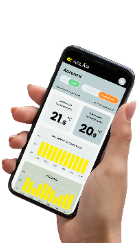
With Adlår, we design systems around how your existing operating patterns, not just how software models your home. Our dual air source heat pump systems are engineered to be automated for complete control over its heating output to provide immediate financial benefit, lower day-to-day energy costs, and measurable long-term savings.
Our dual system optimises flow temperatures through intelligent low-and-steady automated smart setback strategies to protect seasonal efficiency from the outset. Lower flow temperatures mean higher COP. Higher COP means lower electricity use. Lower electricity use means lower bills.
Instead of assuming “worst-case 50°C heating all the time”, our systems reward real-world behaviour delivering excellent efficiency when running steadily and maintaining comfort without unnecessary temperature spikes.
The result is predictable consumption, reduced system strain, and lower lifetime operating costs.
This isn’t simply greener heating.
It’s renewable heating designed around real households and engineered to make financial sense from day one, not just on paper.

Immediate Benefits of an Adlår Upgrade
Low or zero upfront cost
Lower ongoing running costs
15 year warranties
Warmth Guarantee included
How Much Does an Air Source Heat Pump Cost in the UK?
The cost of an air source heat pump in the UK typically ranges between £7,000 and £15,000, depending on property size, heat demand, system specification, and installation complexity.
However, headline figures rarely tell the full story.
At Adlår Castra, complete dual air source heat pump systems start from £6,999 which are professionally designed, MCS-compliant, and installed by our in-house team.
With the £7,500 Boiler Upgrade Scheme (BUS) available to eligible homeowners, many installations can be delivered with:
- £0 upfront cost
- £500 cashback
- Immediate reduction in running costs
Because our dual-system protects efficiency in real-world operation rather than just under test conditions, the financial benefit begins immediately.
In many cases, the combination of grant support, cashback, and improved operating efficiency means your upgrade isn’t simply cost-neutral.
It can effectively begin paying for itself from day one.
What Affects the Final Air Source Heat Pump Price?
Home size and heat demand
Existing heating system
Installation complexity
Optional upgrades

Why Our Air Source Heat Pump Price Starts Lower
Most heat pump installers operate through a layered supply chain by purchasing equipment from manufacturers via distributors, adding margin at each stage, and outsourcing elements of design or installation. Every layer increases cost. Every handover fragments responsibility.
Adlår Makes A Difference.
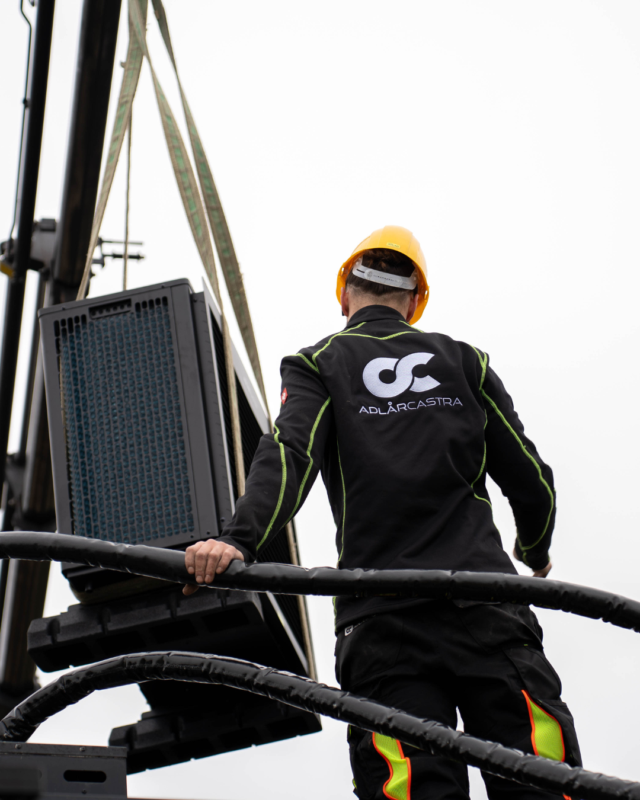
We are the manufacturer, system designer, and installer all operating under one integrated structure. From engineering and product development through to installation and commissioning, everything is delivered by a single accountable team.
This integrated model is how we are able to be 30–50% more price advantageous than many major competitors, while still specifying premium components, intelligent smart controls, and long-term warranties. But at lower cost. This does not mean lower standards, it means better structure.
We believe efficient, renewable heating should be accessible. Not exclusive.
No distributor markups
No inflated margins
No fragmented responsibility
No middlemen
Why Running Costs Are Lower
Lower running costs don’t happen by accident. They are the result of engineering, system installation, and how heat pumps are designed to operate in real homes, not just on specification sheets.
Adlår’s dual heat pump systems achieve seasonal efficiencies (SCOP) of up to 5+.
In practical terms, that means:
For every 1 unit of electricity used, up to 5 units of heat are delivered into your home.
A gas boiler or electric UFH, by contrast, can never exceed 1:1 output relative to fuel input and real-world performance is often lower.
This multiplier effect is the foundation of lower running costs. But efficiency is not fixed and it depends on operating conditions.
Many comparisons assume worst-case operation. High flow temperatures running constantly at 50–55°C. That is a peak design condition, not how a well-optimised system should run day to day.
Heat pumps become more efficient at lower flow temperatures.
Lower flow temperature = higher COP.
Higher COP = less electricity used.
Adlår systems are designed to operate “low and steady”, using intelligent weather-compensated heat curves that automatically adjust output in response to outdoor conditions.
Instead of repeatedly reheating a cooled house at high temperature, the system maintains comfort continuously and efficiently to protect seasonal performance.
Your real-world running costs will follow how the system is operated and not just the theoretical maximum heat demand calculated under MCS assumptions.
Most air source heat pump systems use a single outdoor unit to deliver both:
- Space heating
- Hot water
When the system diverts to heat hot water, it must temporarily prioritise higher temperatures. That shift reduces overall stability and can lower real-world efficiency.
Adlår’s dual system separates the two:
- The Aurora II is dedicated solely to space heating
- The Fjord cylinder independently produces hot water
This separation prevents efficiency disruption, maintains stable operating conditions, and protects seasonal performance which directly protects your energy bill.
Stability equals efficiency. Efficiency equals lower cost.
MCS design calculations often assume continuous heating across the full season. In reality, most households use timed morning and evening peaks heating patterns, lower temperatures overnight, and reduced output when the home is empty.
Adlår systems reward this real-world behaviour.
By combining:
- Intelligent setback strategies
- Lower background flow temperatures
- Short, efficient comfort boosts
The system operates where heat pumps perform best at lower average flow temperatures with minimal cycling.
The result is reduced electricity consumption compared to high-temperature, stop-start heating.
Every Adlår system is commissioned with:
- Weather-responsive heat curves
- Precision flow temperature control
- Inverter-driven modulation
- Compatibility with heat pump–optimised tariffs
Running low and steadily allows the system to take advantage of favourable electricity pricing structures where appropriate to further improving cost efficiency.
This is not reactive heating. It is engineered optimisation.
When you combine:
- 4× efficiency
- Protected seasonal performance
- Dual-system stability
- Lower flow temperatures
- Real-world operating optimisation
…you don’t just get renewable heating. You get predictable, controllable, financially intelligent heating designed to lower bills from day one and over the long term.
Why Our Pricing Isn’t “Too Good to Be True”
If you’re wondering how we can offer a fully funded upgrade with cashback, the answer is simple:
- We removed inefficiency from the supply chain.
- We design the system properly.
- We manufacture the core technology.
- We install it ourselves.
- No duplicated margins. No inflated pricing. No unnecessary complexity.
That’s how renewable heating becomes practical for everyday homeowners.