Did you know that the average UK home produces over 26 tonnes of carbon dioxide a year? Much of this comes from the way we heat, insulate, and power our homes — and it’s costing both the planet and your pocket.
The good news? Reducing your home carbon footprint is easier than you might think. Whether it’s upgrading to low-carbon heating, insulating your loft, or using smarter controls, small steps can make a big difference.
In this guide, the Adlår team will explain how to calculate your home’s carbon footprint, identify your biggest sources of emissions, and share practical ways to reduce energy waste, starting with upgrading your heating system.
What Is a Home Carbon Footprint?
A home carbon footprint is the total amount of greenhouse gas emissions generated by your household’s daily energy use. This includes:
- Heating and hot water
- Electricity for appliances and lighting
- Cooking
- Water usage
- Waste disposal
In the UK, the average household emits between 26 and 28 tonnes of CO₂ per year, depending on energy use, consumption habits, and lifestyle. These emissions contribute directly to climate change. But by reducing your home’s footprint, you’re not only helping the planet — you’ll also cut your energy bills, improve comfort, and potentially increase your property’s value.
Why Reducing Your Home’s Carbon Emissions Matters
The UK has committed to reaching net zero emissions by 2050, and homes play a major role in achieving that goal. In fact, domestic heating alone accounts for around 60% of the average home’s energy use.
Switching to low carbon heating solutions, like air source heat pumps, is one of the most impactful changes you can make.
How to Measure Your Home’s Carbon Footprint
You don’t need to be a scientist or an energy expert to calculate your household emissions. There are simple tools and resources that can help.
Use a Carbon Footprint Calculator (UK)
One of the most trusted tools is the Carbon Footprint Calculator. It allows you to enter:
- Your electricity and gas bills
- How you heat your home
- Vehicle use and travel habits
- Waste and recycling habits
Once entered, it gives you a clear breakdown of your total CO₂ emissions and which areas contribute the most.
Assessing Your Heating System’s Impact
If your home still runs on a gas boiler, you could be emitting over 2 tonnes of CO₂ per year from your heating alone. Outdated or poorly maintained heating systems are often inefficient, requiring more energy to maintain comfort.
That’s where solutions like air source heat pumps stand out. They provide up to 4x the energy efficiency of traditional boilers and can drastically reduce emissions, especially when powered by green electricity.
7 Effective Ways to Reduce Your Home’s Carbon Footprint
You don’t have to overhaul your entire home in one go. Here are seven proven ways to reduce your carbon footprint at home — starting with your heating.
Upgrade to a Low Carbon Heating System
Heating is the largest source of household emissions. The single most impactful upgrade? Switching to an air source heat pump.
At Adlår, we specialise in dual heat pump systems that offer:
- High efficiency with COP values of 3–4
- Smart control for constant comfort and lower energy use
- Quieter operation than standard systems
- Solar-ready integration for future upgrades
- Water filtration for cleaner output
Even better, we manage the full process of accessing the £7,500 government grant through the Boiler Upgrade Scheme (BUS), making the switch easier and more affordable.
Improve Insulation and Air Tightness
If your home isn’t properly insulated, you’re literally throwing money out the window.
Simple upgrades can include:
- Loft insulation (recommended depth: 270mm)
- Cavity wall insulation
- Double or triple glazing
- Draught-proofing around windows and doors
Better insulation means your home retains heat for longer — which reduces energy waste and supports the performance of your heat pump.
Install Smart Heating Controls
Smart thermostats let you:
- Schedule heating around your routine
- Avoid heating empty rooms
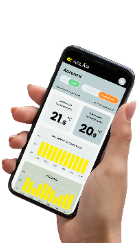
- Track energy usage in real time
Systems like Adlår’s use smart heat curves to adjust output automatically, keeping you comfortable without wasting energy.
Switch to a Renewable Energy Tariff
Many UK energy suppliers now offer green tariffs that source electricity from wind, solar, or hydro.
Pairing renewable electricity with an air source heat pump makes your home heating system virtually carbon neutral.
Reduce Appliance and Standby Power Use
You could save up to £65 a year just by turning off devices left on standby.
Other small changes include:
- Choosing A-rated or energy-efficient appliances
- Using smart plugs to reduce phantom loads
- Washing clothes at 30°C and air-drying when possible
Reduce Water Heating Costs
Hot water accounts for around 15–20% of home energy use. You can cut this down by:
- Installing water-saving showerheads and taps
- Insulating hot water tanks and pipes
- Running full loads in dishwashers and washing machines
Embrace Solar Energy
If your home is suitable, solar PV panels can significantly offset your electricity use.
Adlår’s heat pump system is solar-compatible, meaning you can reduce emissions even further by generating your own clean energy.
Why Heating Is the Biggest Opportunity for Lower Emissions
Heating makes up the lion’s share of domestic emissions, especially in colder months. For homes in the South East, where winters can be long and damp, this impact is even more significant.
Traditional systems like gas or oil boilers are carbon-heavy and becoming increasingly expensive to run.
The Case for Air Source Heat Pumps
Air source heat pumps offer:
- Up to 400% efficiency (1kWh electricity = 3–4kWh of heat)
- Reduced annual heating costs
- Whisper-quiet technology
- Long system lifespan
- Lower maintenance requirements
For Surrey homeowners, they’re a practical, future-proof solution — especially when installed by an experienced team like Adlår.
How Adlår Can Help You Lower Your Carbon Footprint
Adlår Castra UK provides end-to-end support for homeowners ready to cut emissions and reduce bills. Though our head office is based in Farnham, we can serve the entire.
Along with our market-leading dual heat pump system, you will get:
- A free consultation tailored to your property
- A free site survey and heat loss calculation
- Full management of your £7,500 government grant
- Fast installation in just 1 to 2 days
- Our exclusive Comfort Guarantee, which ensures that your system performs at its best, year-round
We don’t just install heat pumps; we help you transition to cleaner, smarter heating with confidence.
FAQs About Home Carbon Footprints
Q: What’s the average carbon footprint of a UK home?
A: Around 8.1 tonnes of CO₂ per year, with most emissions coming from heating, electricity, and water use.
Q: How much can I save by switching to a heat pump?
A: You could cut emissions by 65–70% and reduce running costs by hundreds annually, depending on your current system.
Q: Can I get a grant to help pay for a heat pump?
A: Yes — the Boiler Upgrade Scheme offers £7,500 towards air source heat pump installation in England and Wales.
Q: Is a heat pump noisy or disruptive?
A: Modern systems (like Adlår’s) are quiet, compact, and installed in 1–2 days by our in-house team.
Small Changes, Big Impact
You can’t control global carbon emissions, but you can control what happens inside your home.From insulating your loft to upgrading your heating system, every change you make brings you closer to a more sustainable, cost-efficient future.
Ready to cut your carbon footprint? Book your free consultation with Adlår today and take the first step towards a warmer, greener, more energy-efficient home.